Instant Quote

    Insert Molding

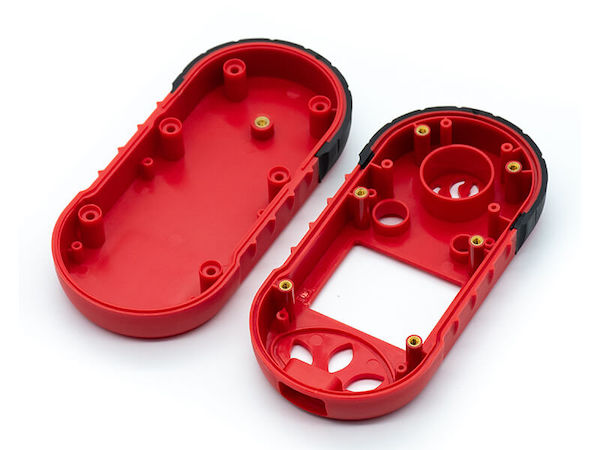
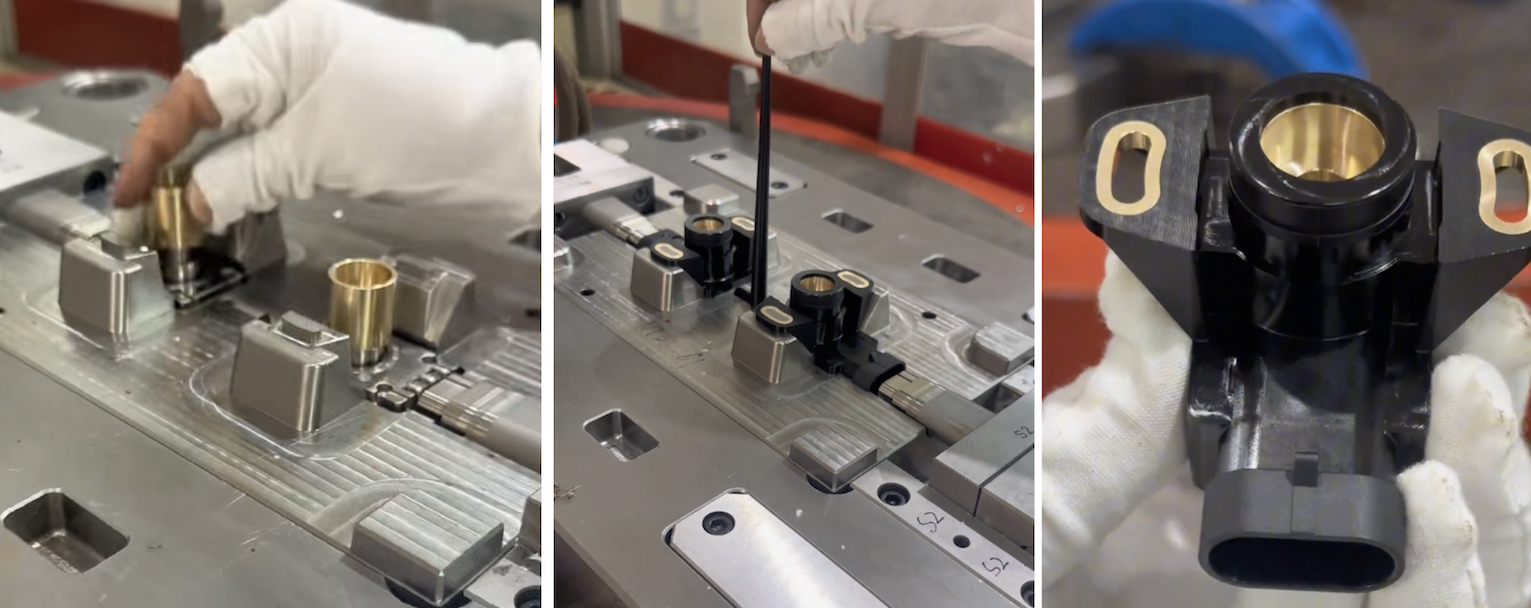
    Insert molding is a manufacturing process in which a pre-made component (called an “insert”) is placed into a mold cavity, and then molten plastic (or other material) is injected around it to form a single, unified part. The result is a strong, integrated product that combines the properties of both the insert and the surrounding material.

    The things need to in insert molding:

    1. Insert

    2. The Mold -Sealing

    3. Molding Material

    Insert molding is a versatile, cost-effective manufacturing technique that combines the strength of embedded components with the design freedom of injection molding. It reduces assembly steps, improves product performance, and is widely used in automotive, medical, electronics, and consumer goods industries.

    Insert Molding

    How Does Insert Molding Work

    The insert molding process typically follows these steps:

     1. Insert Placement

    A metal, ceramic, or plastic insert is loaded into the mold (manually or via automation).

    2. Mold Closing

    The mold is closed securely around the insert.

    3. Injection

    Molten resin is injected into the mold cavity, flowing around and bonding with the insert.

    4. Cooling & Solidification 

    The material cools and hardens, locking the insert in place.

    5. Ejection

    The finished part is removed from the mold.

    Insert Molding Process

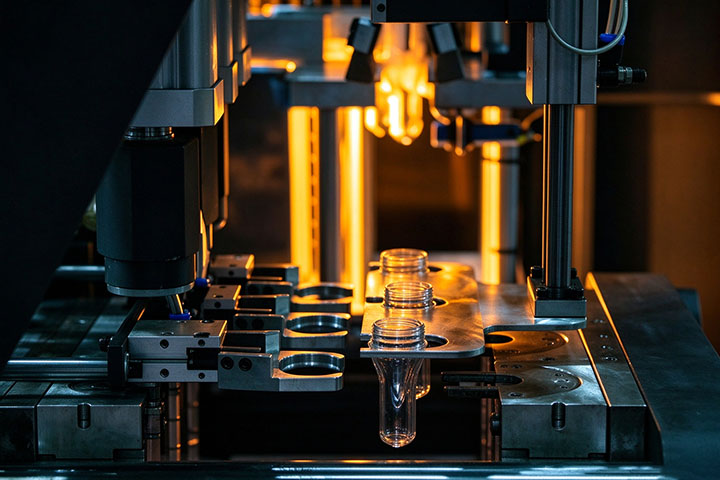
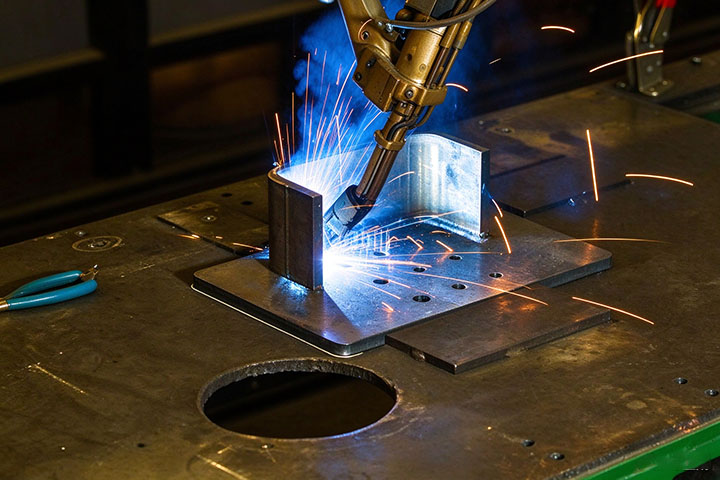
    Insert Molding Solutions

    Small Volume Production 

    Address critical time-to-market needs by providing flexibility and economic efficiency for iterative development before full-scale production.

    Medium & High-Volume Production

    Support medium & large-scale manufacturing demands, effectively overcoming common production challenges and offering on-demand production capabilities.

    Insert Molding Production

    Our Insert Molding Capabilities


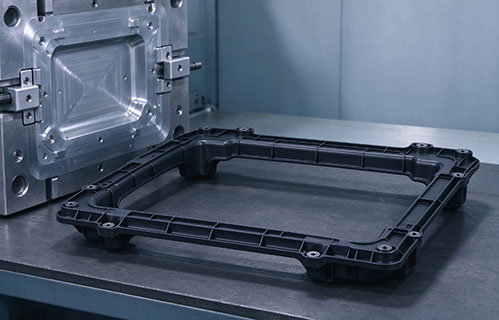
    Part Size:

    – No limitation.

    – Generally, within 850*500*300mm (L*W*H)
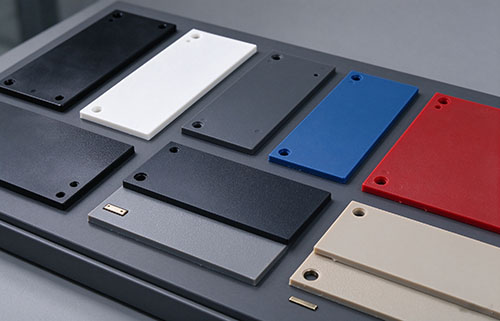
    Most Plastic/Colors/Finishes Available:

    – ABS, PC/ABS, PP, PA+GF, POM etc.

    – Pantone colors and RAL Colors.

    – SPI Finish, VDI Finish, and Mold Tech Finish
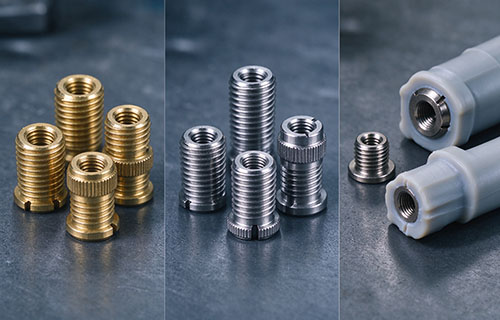
     

    Diversities Insert Moldings Available:

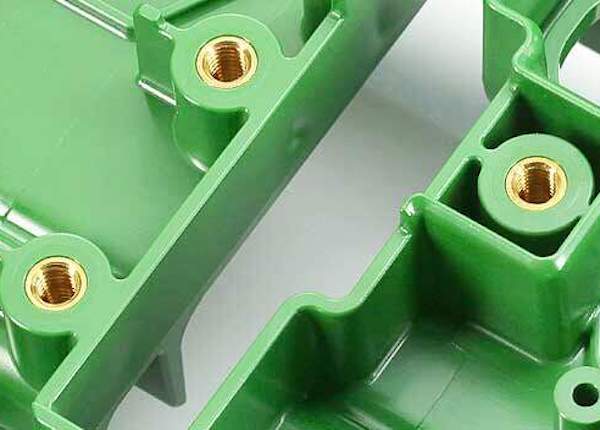
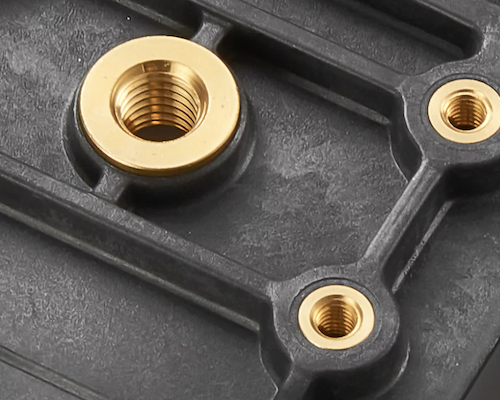
    – Brass thread inserts.

    – Stainless steel thread inserts.

    – Customer provided thread inserts.
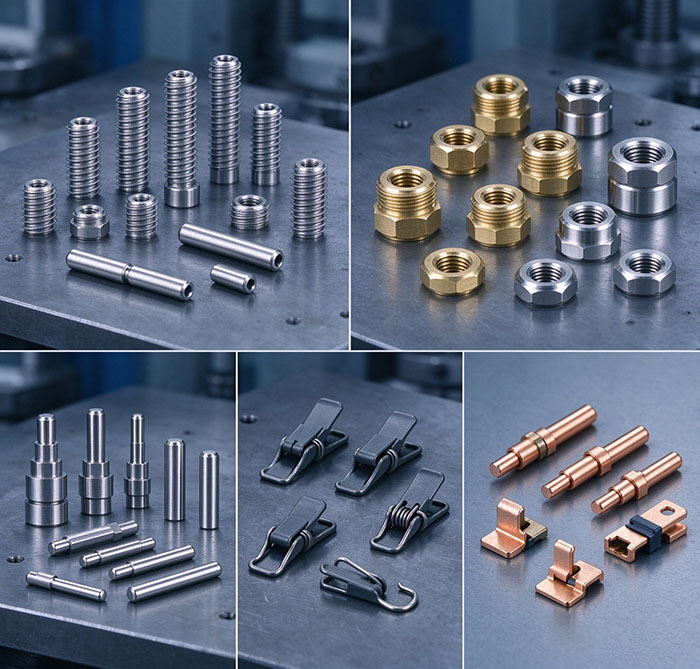
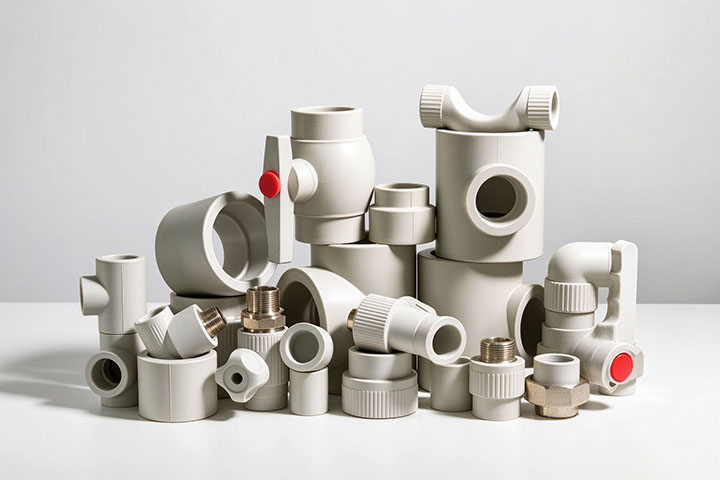
    Types of Inserts

    Most commonly, the purpose of insert injection molding is to fasten and locate plastic parts with other assemblies by inserts. It is also common to have different kinds of inserts in one single injection mold part.

    The following is a list of common types of inserts. As one of professional insert molding manufacturers, TEAM Machining offers inserts sourcing/making services to help you with, just simply let us know the requirements. The common types of injection molding inserts available at TEAM Machining:

    1, Male Threads insert

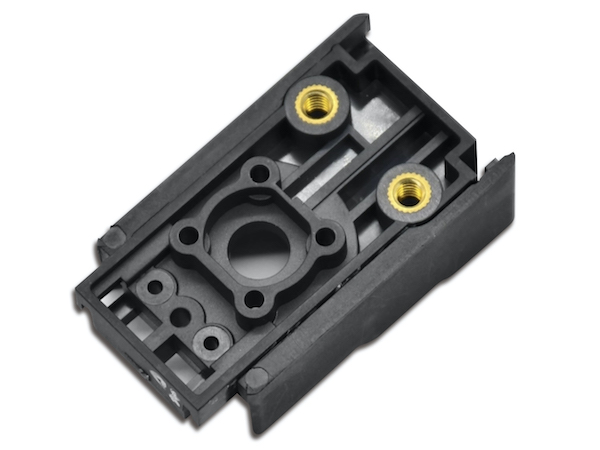
    2, Female Threads insert

    3, Dowel Pins insert

    4, Spring-Loaded Clips insert

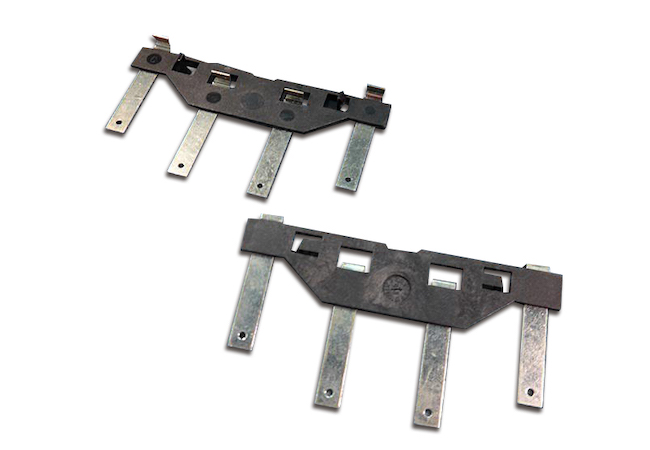
    5, Electrical Contacts insert

    Common Insert Molding Materials

    Insert MaterialsMolding Resins
    Stainless steelNylon (PA)
    Brass / CopperPolypropylene (PP)
    AluminumABS
    CeramicsPolycarbonate (PC)
    Pre-molded plasticsPEEK / PPS

    Benefits of Insert Molding

    1. Reduced Assembly Costs

    Eliminates the need for secondary joining processes like screws, adhesives, or welding.

    2. Improved Part Strength

    Creates a mechanical and/or chemical bond between materials.

    3. Design Flexibility

    Allows complex geometries and multi-material combinations.

    4. Lighter & Smaller Parts

    Replaces bulky metal assemblies with compact molded solutions.

    5. Higher Reliability

    Fewer separate components mean fewer potential failure points.

    6. Faster Production Cycles

    Combines multiple steps into a single molding operation.

    Our Insert Molding Serving Industries

    Insert molding is used across a wide range of industries:

    Industries

    Insert Molding Suggestions & Manufacturing Perspectives

    As one of the professional insert molding solutions inc, TEAM Machining helped many customers successfully make their custom insert molding projects in the past 10 years. Before kicking off the rapid manufacturing project, we always take the following major considerations from a manufacturer perspective and offer the best insert injection molding proposal to our customers:

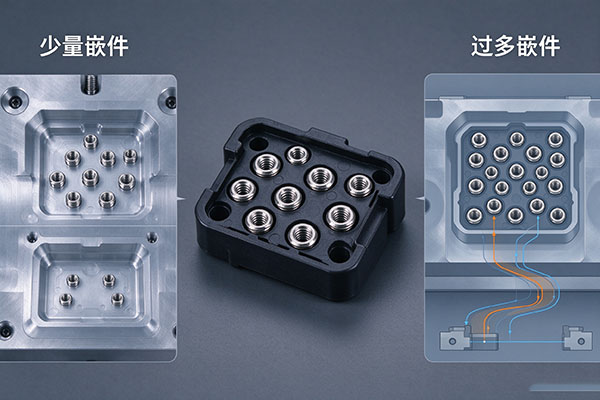
    1. The inserts’ number should be less than 10 PCS/Part.

    Too many inserts ususally lead to long cycle time, and high part unit cost.
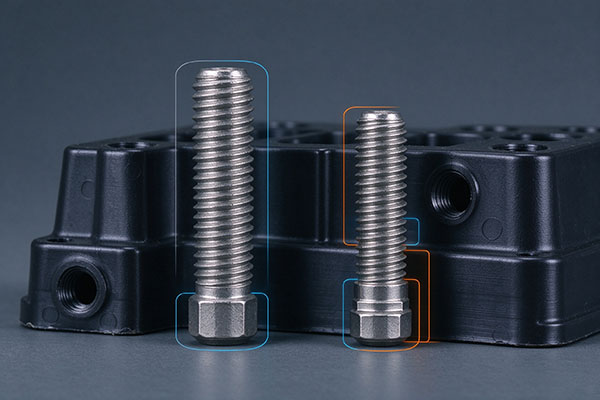
    2. Minimum the insert size without affecting function. It is also for cost concern. E.g: Thread Insert – The functional length of thread usually at 15mm,  the extra insert thread areas raise the part unit cost.
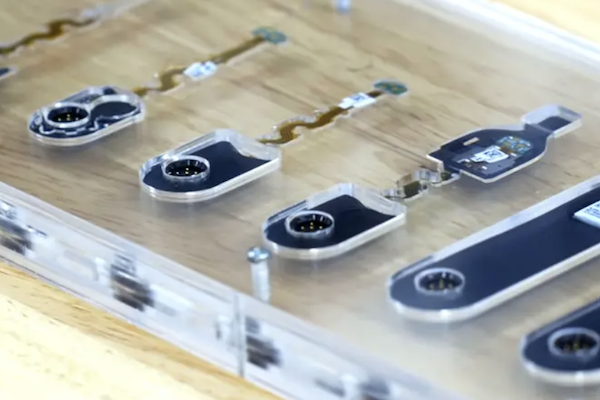
    3. Correctly locate insert without peeling off during injection.

    Both sides of the insert kissing off the tooling is the best locating option. Another option is the insert kissing off the tooling core side, the insert must at tight fitting tolerance (+/-0.05mm) (Insert on cavity side NOT suggest).
    Inserts

    4. The insert should be strong enough to withstand molding temperature and pressure.

    A: Thin sheet metal suggested to have support to avoid bending.

    B: Plastic insert should be outstanding to withstand high temperature.

    C: Avoid insert peeling off during application, undercut/pattern is need on insert.

    Mold Fitting

    5. Accurate mold fitting/sealing is essential to the parts’ quality.

    In order to avoid flash:

    A: Sealing surfaces should be fitted tightly.

    B: Avoid using radius and complex curved surfaces as sealing surfaces.

    C: Sealing areas should be as large as possible(2mm width at least).
    Molding Methods

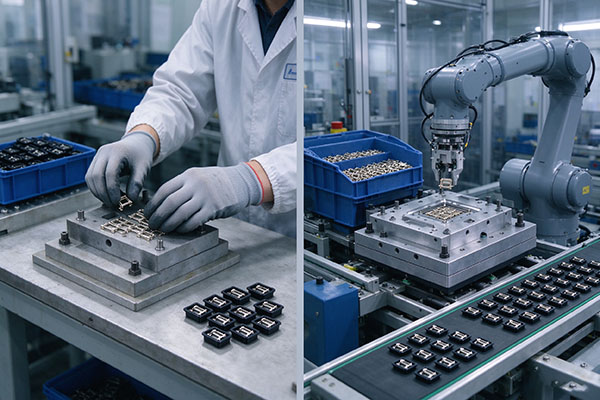
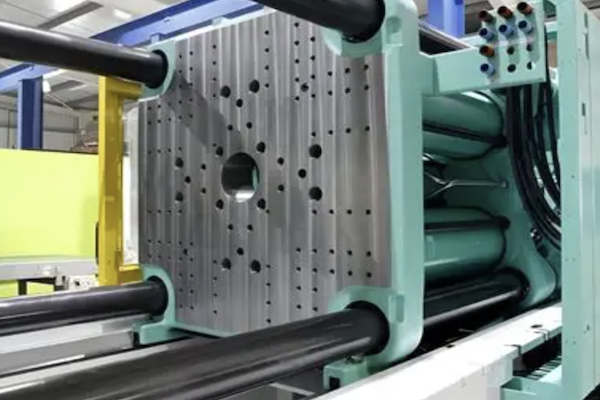
    6. Base on the volume to select the best molding way.

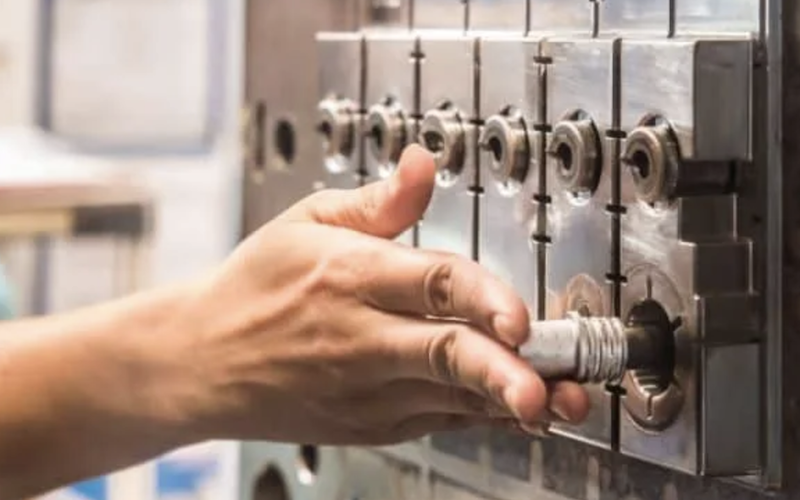
    A: In order to reduce the tooling and jig investments, putting inserts by hand is good for low volume insert molding.

    B: Inserts loaded automatically by robotics is good for large volume production to cut down the unit part cost.
    Quality Assurance

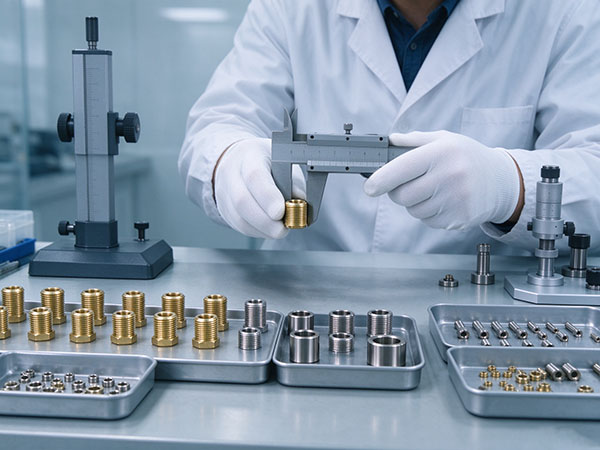
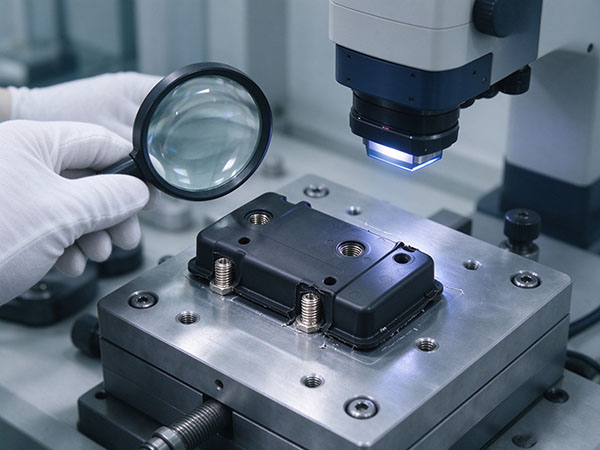
    We understand that quality is the critical factor for continuous orders

    Income material/inserts inspection

    Overmolding parts inspection

    OQC Report

    Insert Molding vs. Overmolding

    Insert Molding

    1. Insert molding integrates pre-formed inserts, often metal, into a single molding process, creating a unified part.

    2. Insert molding offers single-shot efficiency for enhanced strength and reduced assembly.

    Overmolding

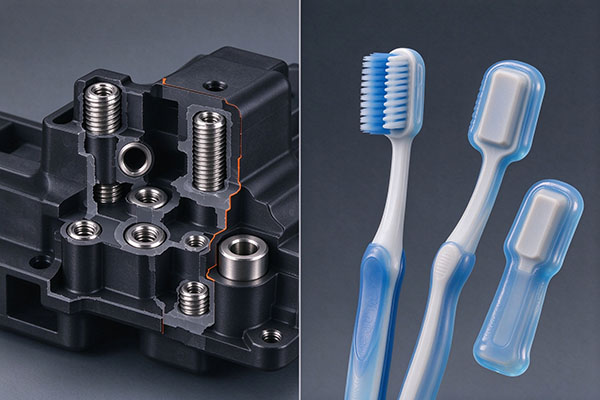
    1. Overmolding, a multi-step process, molds one material, typically a TPE, over a rigid substrate.

    2. Overmolding excels in creating parts with varied textures and functionalities, like a toothbrush with a rigid core and soft grip.

    Insert Molding Cases

    Project Description:Plug
    Insert Details:Metal Pins
    Insert Numbers: 4 pcs
    Injection Molding Material: PA66 +25%GF
    Tooling Type: Prototype Injection Mold
    T1 samples Lead Time:15 days
    Batch Production Quantity: 2000pcs/batch

    Project Description: Bicycle Lighting Case Holder
    Insert Details:  Domestic M3 thread inserts
    Insert Numbers: 1 pcs
    Injection Molding Material: ASA
    Tooling Type: Bridge Injection Mold
    T1 samples Lead Time: 20 days
    Batch Production Quantity: 1000 pcs/batch

    Project Description: Controller Enclosure
    Insert Details: Domestic M2.5 Inserts
    Insert Numbers:  7 pcs
    Injection Molding Material: PA66+15%GF
    Tooling Type: Production Injection Mold
    T1 samples Lead Time: 27 days
    Batch Production Quantity: 100 pcs/batch

    Thread Methods on Plastic Molding Parts

    Thread Molding

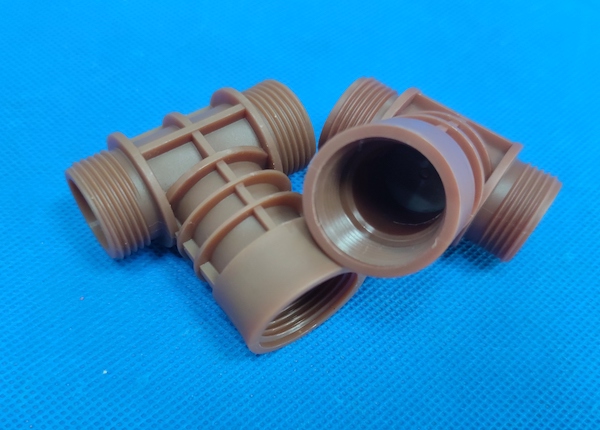
    ♦ External thread and internal thread avaiblale.

    ♦ Manual thread insert for low volume rapid tooling.

    ♦ Automative release device for production moldi.

    ♦ Thread is easy to damage under strengthen, and after long run.

    Insert Molding

    ♦ External thread / internal thread on molding insert.

    ♦ Load the mold insert by hand in low volume-production.

    ♦ Fixture and robot arm are needed for high-volume production.

    ♦ Thread is strong, but high part unit cost.

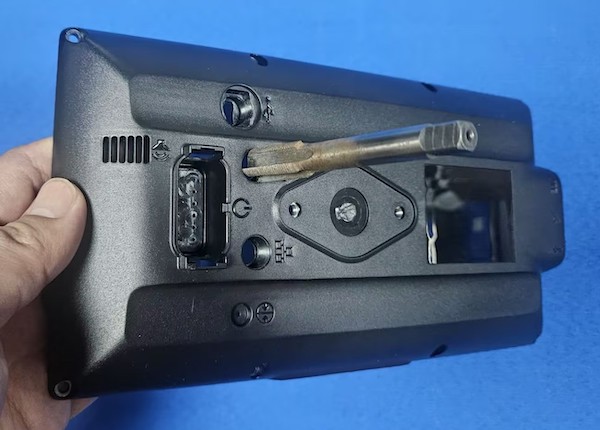
    Thread Tapping

    ♦ Apply tapping if thread molding and insert molding are not available.

    ♦ Higher scape rate as the secondary machining.

    ♦ Thread is much weaker than brass insert thread.

    ♦ Cost higher than thread molding.

    faqs

    Frequently Asked Questions

    A: No. Insert molding embeds a non-plastic (or pre-made) component, while overmolding typically adds a second layer of plastic over an existing molded part.

    A: Yes. Robotic systems can place inserts into molds for high-volume production, improving consistency and cycle time.

    A: Tight tolerances are possible, but they depend on insert material, resin type, and mold design. Working with an experienced molder is key.

    Learn About Manufacturing Processes, Technologies, and Machining Solutions

    Blog

    CNC Machining Suggestions from Prototypes to Scale-Production

    news

    Prototype to Production Manufacturing Roadmap

    gallery

    View our gallery and see what we have done! check now!

    Cases study

    TEAM Machining delvieried lots of projects to our customers...