Instant Quote
3D Print Service - Parts Delivered in Days
3D printing, also known as additive manufacturing, is a process that builds three-dimensional objects layer by layer directly from digital design files (CAD models). Similar in concept to traditional 2D printing — but instead of depositing ink on paper, a 3D printer deposits or fuses specialized materials such as resins, nylon, or metal powders to create fully functional parts. This technology is ideal for rapid prototyping, design validation, functional testing, and even low-volume production — enabling you to go from concept to physical part in as little as 24 hours. At TEAM Machining, we offer professional 3D printing services including:

Stereolithography (SLA)
Process: UV laser cures liquid resin layer by layer.
Accuracy: Very high precision and smooth surface.
Uses: Prototypes, detailed models, dental/medical parts.
Pros: Fine details, tight tolerances, good surface finish.
Cons: Brittle parts, limited strength, resin cost, post-processing needed.
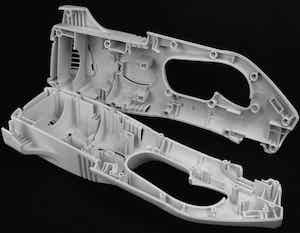
Selective Laser Sintering (SLS)
Process: Laser sinters powder layer by layer.
Material: Mostly nylon & composites.
Pros: Strong, durable, no supports.
Cons: Rough finish, post-processing needed.
Uses: Functional prototypes, end-use parts.
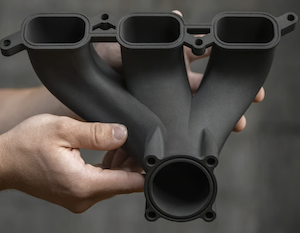
Multi Jet Fusion (MJF)
Process: Fusing & detailing agents jetted on powder, fused by infrared.
Material: Mainly nylon (PA12, PA11) & composites.
Pros: Strong, accurate, faster than SLS, good surface.
Cons: Limited materials, post-processing needed.
Uses: Functional prototypes, end-use parts, complex geometries.
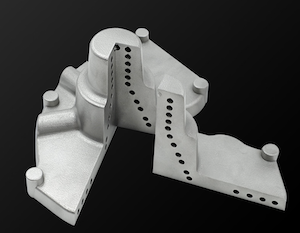
Selective Laser Melting (SLM)
Process: High-power laser fully melts metal powder layer by layer.
Material: Metals (aluminum, titanium, stainless steel, etc.).
Pros: Strong, dense, complex metal parts, near-wrought quality.
Cons: Expensive, slower, requires supports, post-processing.
Uses: Aerospace, medical implants, automotive, tooling.
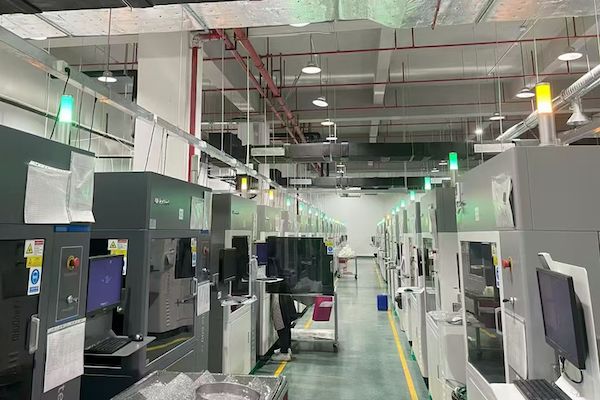
How to Print 3D Parts
3D printing, we also called it additive manufacturing. It is a manufacturing process of making three-dimensional solid objects directly from a digital design. Different from cutting material away (such as CNC machining), 3D printing builds parts layer by layer until the final shape is completed. Here’s how the process works step by step:
3D Printing Solutions
Rapid Prototypes
3D printing prototypes is fast and affordable. It is a flexible way to test and refine product designs before committing to mass production.
Small-Volume Production
3D printing small-volume production(up t0 5000+ Parts) is ideal for fast, flexible, and cost-effective runs without the need for tooling — especially for complex, customized, or limited-demand parts.
3D Printing Materials
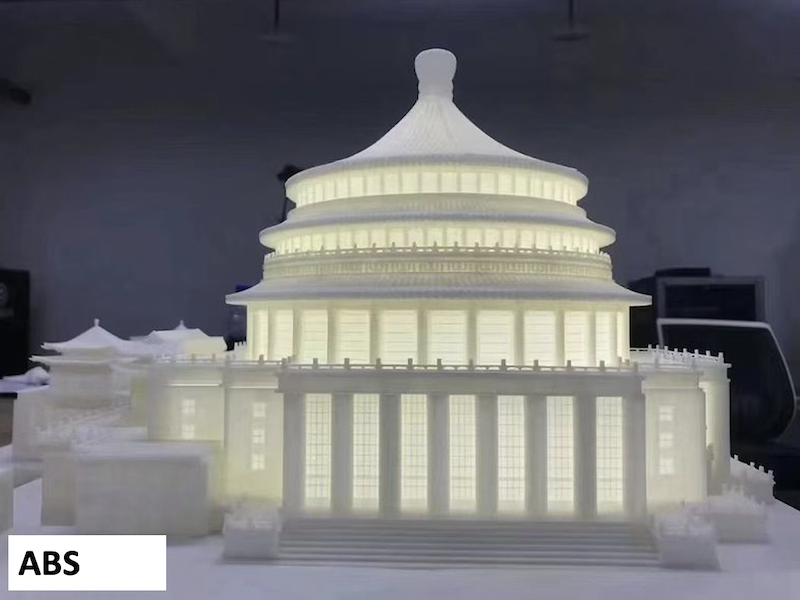
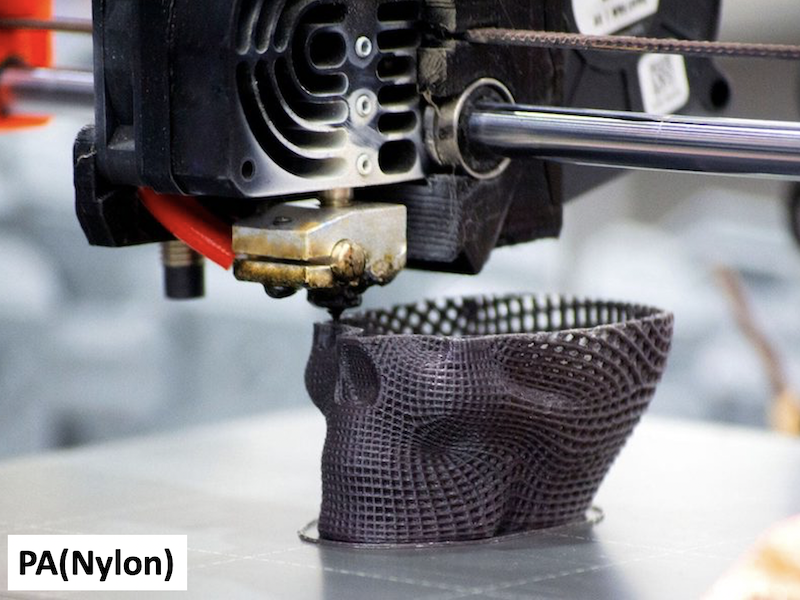
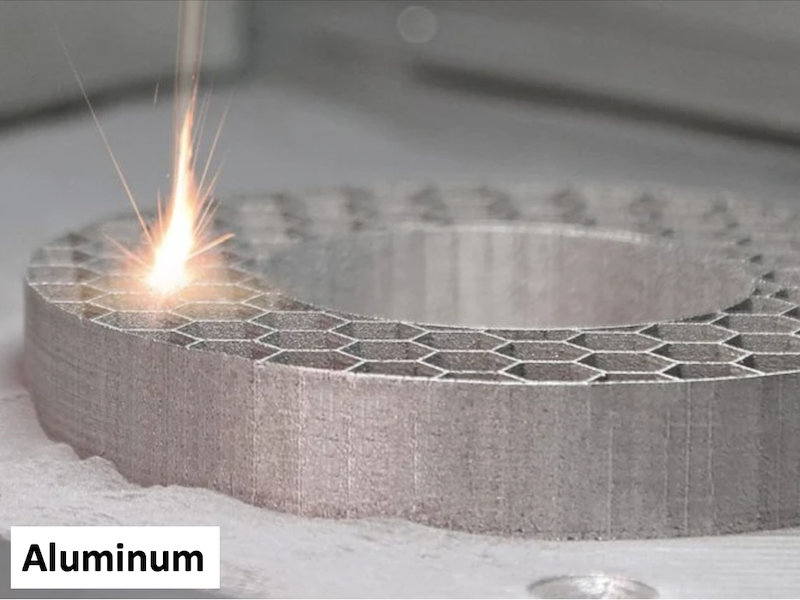
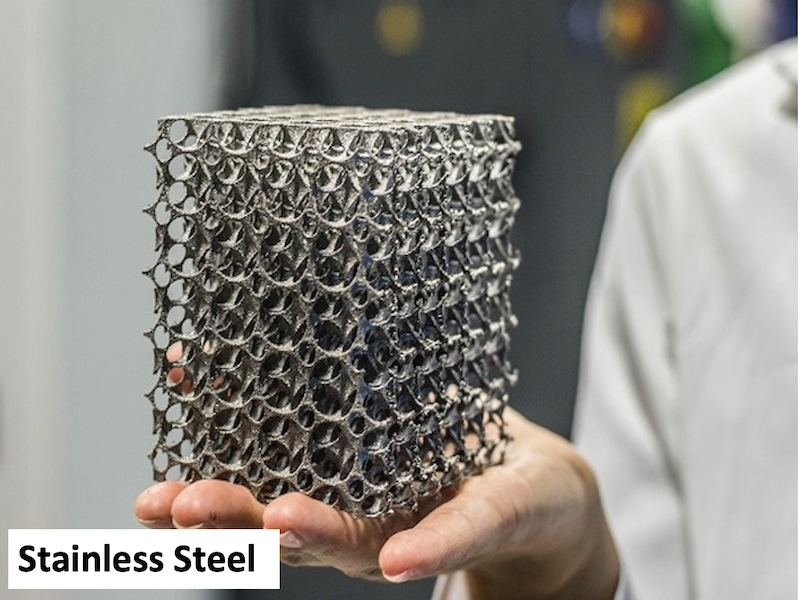
At TEAM Machining, we offer a comprehensive selection of custom 3D printing materials, including both plastics and metals such as ABS, PA (Nylon), Aluminum, and Stainless Steel. These materials are carefully chosen to meet the demands of industrial-grade prototypes, functional testing, and low-volume production.
For projects with unique material requirements or specialized performance needs, please email us or write your requirement on the quotation form. Our team is committed to sourcing and providing the exact material your project requires, ensuring your custom 3D printed parts meet the highest standards of strength, durability, and precision.
Whether you need high-strength nylon for functional components, lightweight aluminum for mechanical prototypes, or ABS for detailed visual models, TEAM MFG delivers industrial 3D printing solutions tailored to your specific project needs.
Plastics
Known for its strength, durability, and resistance to heat and impact, ABS is a popular choice for 3D printing functional prototypes and end-use parts. It’s widely used in automotive, consumer goods, and industrial applications due to its toughness and versatility.
Flexible, tough, and resistant to wear and abrasion, nylon is perfect for parts that need to withstand heavy use. It’s lightweight, has a low friction coefficient, and is often used in industrial applications, gears, and mechanical components.
Metals
Lightweight, strong, and naturally resistant to corrosion, aluminum is ideal for 3D printing in aerospace and automotive applications. Its excellent strength-to-weight ratio makes it perfect for parts that need durability without adding excess weight.
Highly durable, corrosion-resistant, and heat-tolerant, stainless steel is great for both functional parts and intricate, high-strength components. It’s commonly used in industries requiring robustness, such as aerospace, automotive, and medical devices.
faqs
Frequently Asked Questions
A: We accept the most common 3D file formats, including STL, STEP, IGES, . STL is the most widely used format for 3D printing. If you’re unsure which format to use, our engineering team is happy to assist.
A: Typical tolerances for 3D printed parts are ±0.1 mm to ±0.3 mm, depending on the technology, material, and part geometry. SLA generally offers the highest precision. For tighter tolerance requirements, please consult our engineering team.
A: While 3D printing is widely used for prototyping and design validation, it is also an excellent option for low-volume production (typically 1–100 parts), especially when tooling costs for processes like injection molding or die casting are not justified.
A: Absolutely. Our engineers provide Design for Additive Manufacturing (DfAM) support, including recommendations on wall thickness, overhang angles, support structures, and orientation to ensure the best possible print quality and cost-efficiency.
A: Yes. We take intellectual property protection seriously. We are happy to sign a Non-Disclosure Agreement (NDA) before reviewing your files.