Instant Quote
Precision Machining For Complex Parts with Tight Tolerance
TEAM Machining utilizes 5-axis CNC machining, mirror EDM, wire cutting, and precision grinding for both rapid prototyping and subsequent mass production. While traditional equipment remains suitable for many of today’s manufacturing projects, this advanced configuration enables us to deliver precision machining services even for the most complex parts.

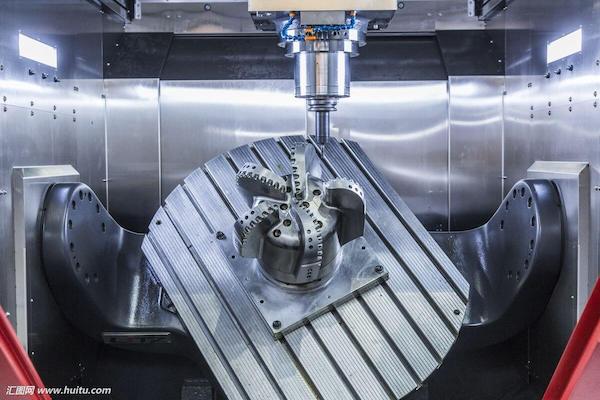
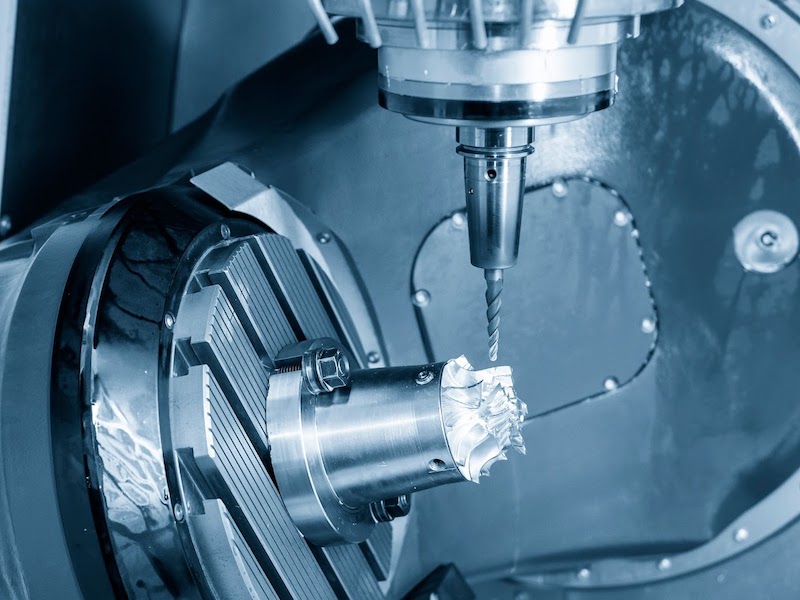
5-axis CNC Machining
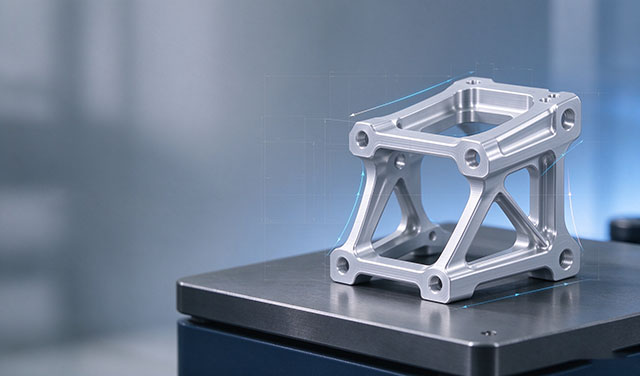
TEAM Machining offers superior precise 5-axis CNC machining which allows complex geometries to be machined in a single setup, less errors and tight tolerances. The process is ideal for high-accuracy parts in industries like aerospace, medical, and automotive.
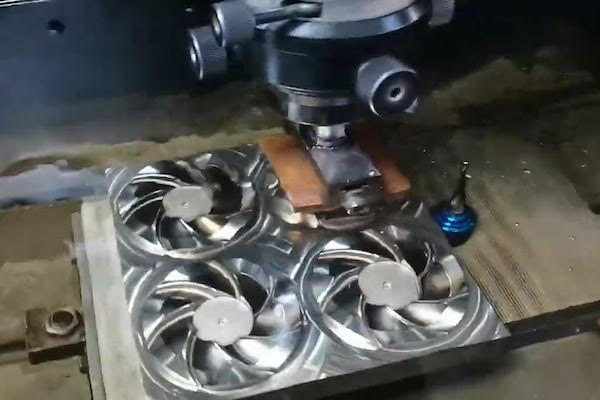
Mirror EDM
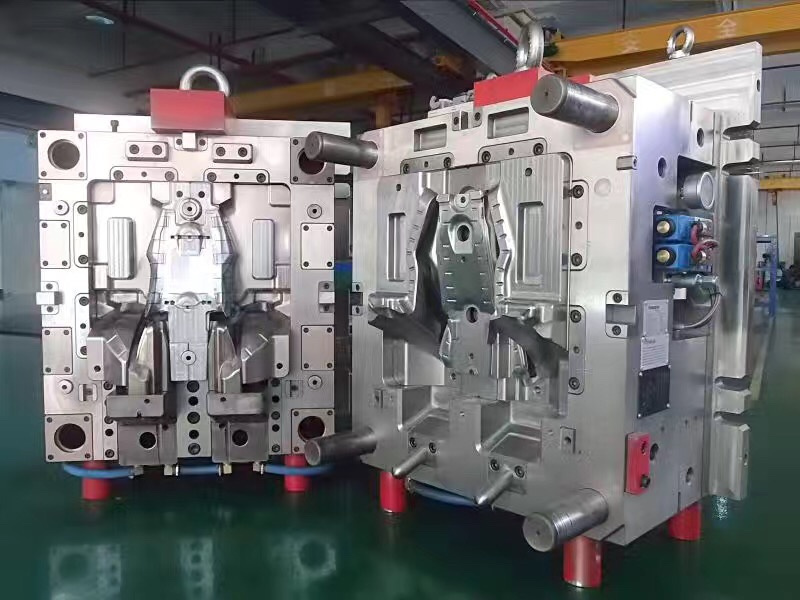
TEAM Machining provides Mirror EDM in precision machining to achieve ultra-smooth surface finishes and high dimensional accuracy. The process is ideal for intricate, hard-to-machine parts requiring fine details and tight tolerances, especially in mold and die making.
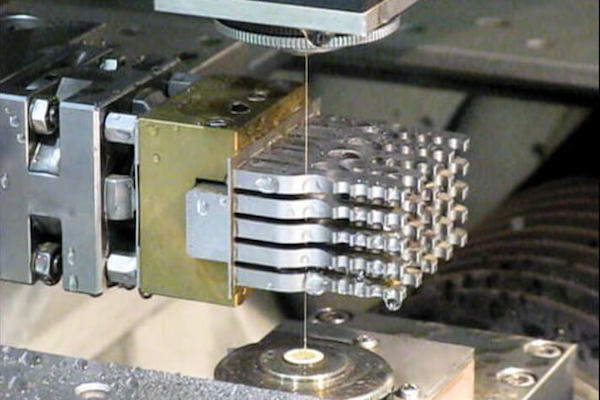
Wire EDM
TEAM Machining uses wire EDM is in precision machining to cut complex shapes with extreme accuracy and tight tolerances, even in very hard metals. The process can produce clean edges with minimal distortion, making it perfect for intricate parts and tooling.
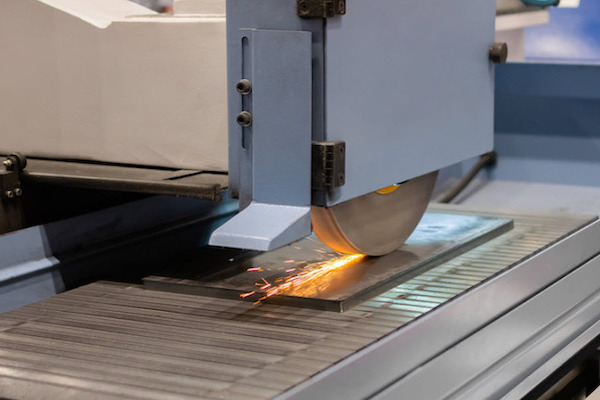
CNC Grinding
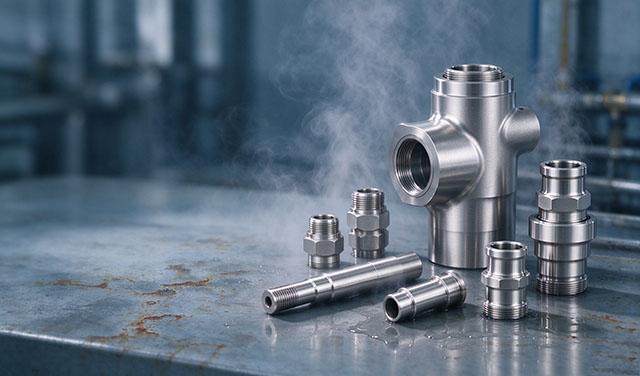
CNC grinding delivers exceptional surface finish and tight tolerances, making it ideal for high-precision components. It’s especially effective for hard materials and achieving exact dimensions on critical parts.
Precision Compound Machining
Compound machining (also known as multi-tasking machining) refers to the use of CNC equipment that integrates multiple machining functions. This allows complex parts to be manufactured in one continuous process without re-clamping, ensuring higher accuracy and better consistency. Here are the main types of compound machining:
1. Turning-Milling Compound Machining (Mill-Turn or Turn-Mill).
2. Turning-Grinding Compound Machining.
3. Milling-Grinding Compound Machining.
4. EDM-Machining Compound (EDM + Milling/Turning).
5. Laser-Machining Compound (Laser + Milling/Drilling).
6. Additive-Subtractive Compound Machining (Hybrid Machining).
7. Multi-Axis Compound Machining.
Precision Compound Machining Case
Our CNC Precision Machining Capabilities
At TEAM Machining, we specialize in precision compound machining services that combine multiple processes—such as turning, milling, drilling, and grinding—into a single setup. By using advanced multi-tasking CNC machines, we deliver high-precision components / parts with reduced lead time and cost.
Details | Wire EDM | Mirror EDM | Grinding | 5-axis CNC Machining |
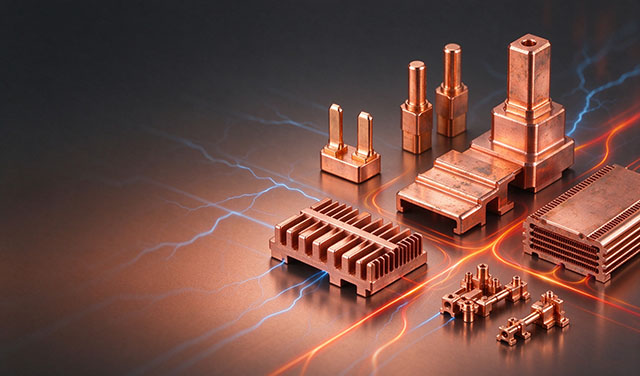
Material Compatibility: | Stainless Steel, Titanium, Aluminum, Tool Steel, Copper | Stainless Steel, Titanium, Aluminum, Tool Steel, Copper | Stainless Steel, Aluminum, Tool Steel, Copper, Ceramics, Carbides | Stainless Steel, Aluminum, Tool Steel, Copper, Brass, Titanium, Plastics |
Tolerance: | ± 0.0001 inches (0.0025 mm) or better (based on material and thickness) | ± 0.00005 inches (0.0013 mm) or better (depending on material and thickness) | ± 0.0001 inches (0.0025 mm) or better (specific to material and grinding method) | Within ±0.002 mm |
Maximum Workpiece Size: | Length: 16 inches (400 mm) Width: 12 inches (300 mm) Height: 8 inches (200 mm) | Length: 16 inches (400 mm) Width: 12 inches (300 mm) Height: 8 inches (200 mm) | Length: 24 inches (600 mm) Width: 10 inches (250 mm) Diameter: 8 inches (200 mm) for cylindrical grinding | 4000×1500×600 mm |
Maximum Cutting Thickness: | Up to 12 inches (300 mm) – varies based on material | Up to 10 inches (250 mm) – varies based on material | / | / |
Surface Finish: | As fine as Ra 0.2 µm | Achievable down to Ra 0.05 µm or better (based on material and process parameters) | Achievable down to Ra 0.1 µm or better (based on material and grinding method) | As fine as Ra 0.2 µm |
Remarks: | Tolerance can be affected by electrode wear. | Tolerance can be affected by electrode wear. | Surface finish is typically smoother with grinding. | Finish can impact tolerance / Precision can vary based on tool type and material. |
Precision Machining Solutions at TEAM Machining
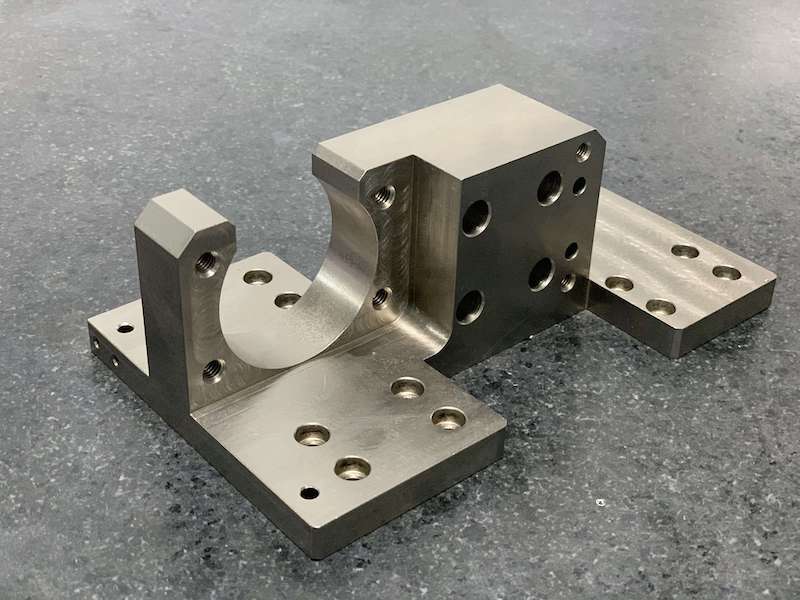
TEAM Machining offers precision machining for excellent high-quality rapid prototypes and low volume manufacturing parts. Our machining scope ranges from small items to huge objects, they are small components for precise mechanical device, precision mold/components, tight tolerance jig fixture for assembly/production line.
√ Capability: 1 – 100+ Parts
√ Lead-time: 10+ Days
Small Components / Big Objects
Precision Mold / Mold Components
Jig Fixture


CNC Machining Materials
Metals & Plastics - For materials not shown here, please contact us directly.
TEAM Machining offers a wide ranges of plastic and metal materials for your needs:
Aluminum: Al6061; Al6063; Al6082; Al7075 etc.
Stainless Steel: SS201; SS301; SS303; SS304; SS316; SS416 etc.
Steel: Mild Steel; Carbon Steel; 4140; 4340; Q235; Q345B; 20#; 45# etc.
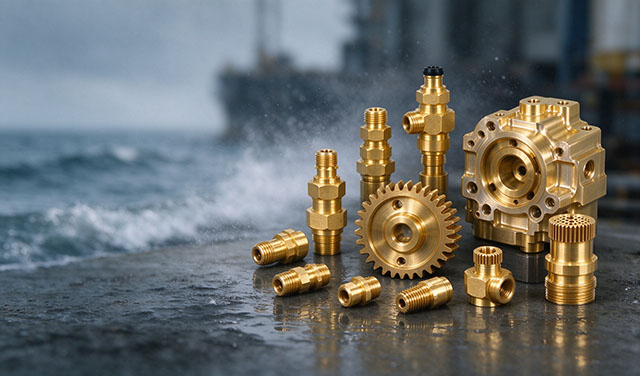
Brass: HPB63; HPB62; HPB61; HPB59; H59; H68; H80; H90; etc.
Ti: Gr1; Gr2; Gr5
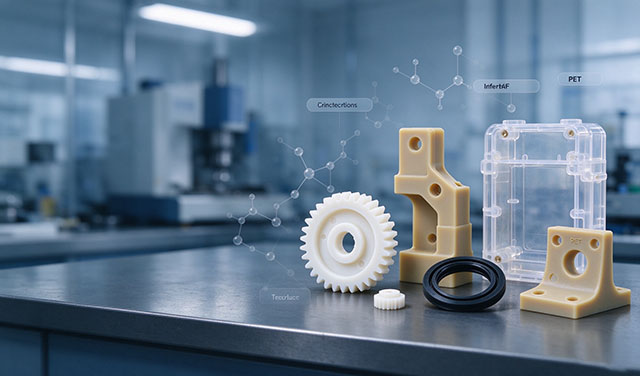
Plastic: ABS; PC; PE; POM; PEI; Nylon; PP; PA+30%GF; PEEK; PVC etc.
Surface Treatment on Your Parts
TEAM Machining proudly offers an extensive selection of professional post-finishes to supplement our manufacturing processes, giving you everything you need for a standout prototype or market-ready product. Here are some post-finish options for CNC plastic machining and CNC metal machining services.
Aluminum | Stainless Steel | Steel | Plastics | Brass |
Clear Anodized | Polishing | Zinc Plating | Plating | Gold Plating |
Color Anodized | Sandblasting | Chrome Plating | Polishing | Electroplating |
Sandblast | Laser Printing | Nickel Plating | Sand Blasting | |
Chemical Film | Carburized | Laser Printing | ||
Brushing | Heat Treatment | Painting | ||
Polishing | Painting | Silk Printing | ||
Plating | Powder Coated | |||
Painting | Electroplating | |||
Powder Coating | Oxide Black | |||
Laser Printing | ||||
Silk Printing |
Successful Story - Precision Machining at TEAM Machining
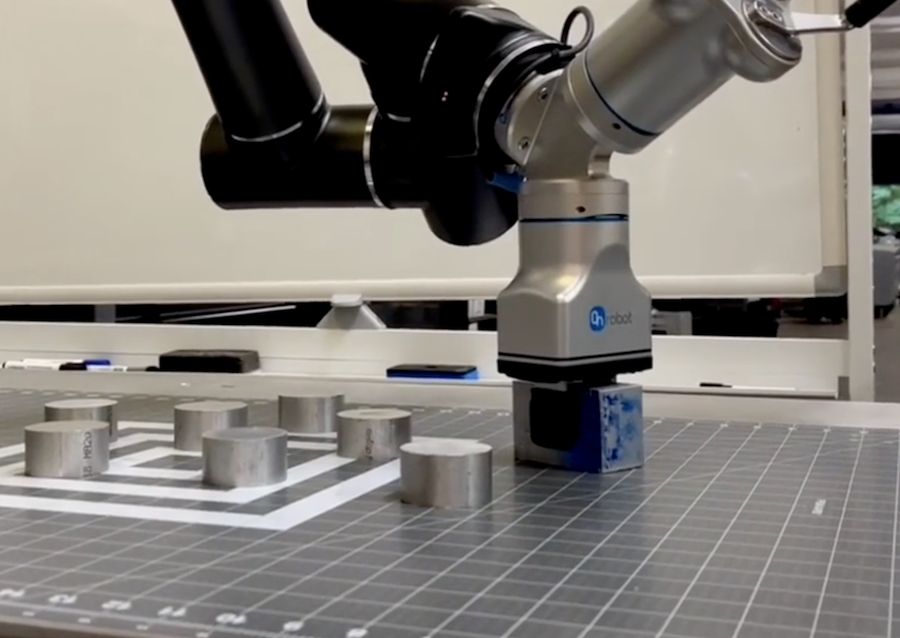
Case: Robot Arm – Mechanical Parts Manufacture
Dear TEAM Machining,
I would like to extend our sincere appreciation for the outstanding CNC precision machining work your team has delivered on our robot arm cover components.
The quality of the machining exceeds our expectations. The dimensional accuracy, surface finish, and consistency across all batches are excellent and align perfectly with our engineering specifications. This level of precision is critical for both the aesthetics and functional integration of the covers within our robotic systems — especially considering the tight tolerance requirements and complex geometries involved.
Your attention to detail in deburring and edge finishing has made the covers not only structurally sound but also safe and visually refined. We also appreciate the excellent communication and flexibility during the prototyping phase, which significantly helped us accelerate our development timeline.
Thank you for being a reliable and skilled manufacturing partner. We look forward to continuing our collaboration on future projects.
Best regards,
Joe Helbling
Chief Mechanical Engineer
faqs
Frequently Asked Questions
A: Precision machining is a manufacturing process that uses advanced CNC equipment to remove material from a workpiece and produce parts with extremely tight tolerances and high dimensional accuracy. It is used to create components that require exact specifications and fine surface finishes.
A: Conventional machining typically produces parts with tolerances around ±0.005″ to ±0.030″. Precision machining uses more advanced equipment, tighter controls, and refined processes to achieve tolerances of ±0.001″ or better with superior surface finishes.
A: Lead times vary based on part complexity, material, and quantity. Simple parts may take a few hours, while complex parts with tight tolerances can take several days. Setup and programming time also add to the overall timeline.
A: Costs depend on part complexity, material, tolerances, surface finish requirements, and production volume. Hourly rates typically range from 50 to 200+ USD per hour. Tighter tolerances and exotic materials increase costs due to slower machining speeds and higher tool wear.
A: It is more expensive than conventional machining due to the advanced equipment, longer cycle times, and higher skill levels required. However, it often reduces overall costs by eliminating secondary operations, reducing scrap, and ensuring part reliability in critical applications.