Instant Quote
On-Demand Manufacturing
On-demand manufacturing is a production model in which parts are manufactured when they are needed, in the quantities required, rather than producing large volumes in advance and storing them as inventory.
It allows companies to move from product design to prototypes, small production runs, and larger batches without committing to large upfront orders. Manufacturers use processes such as CNC machining, 3D printing, injection molding, and die casting to meet different project requirements.
On-Demand Manufacturing Processes
TEAM Machining offers the following processes for your On-Demand Production needs.
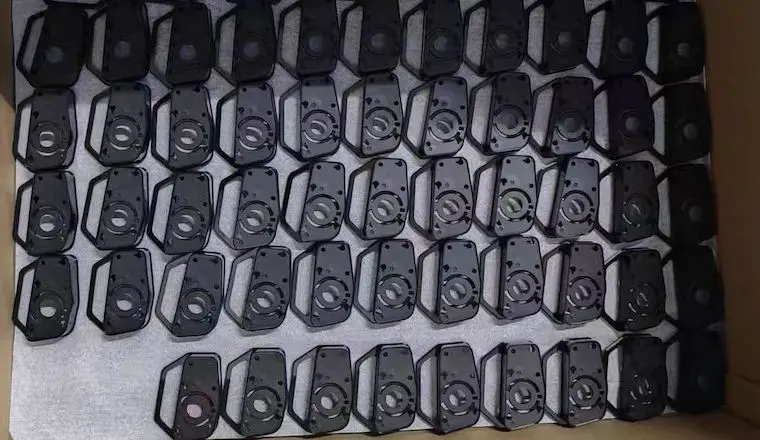
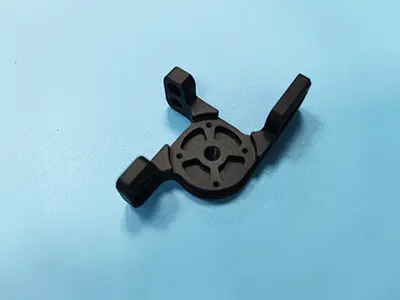
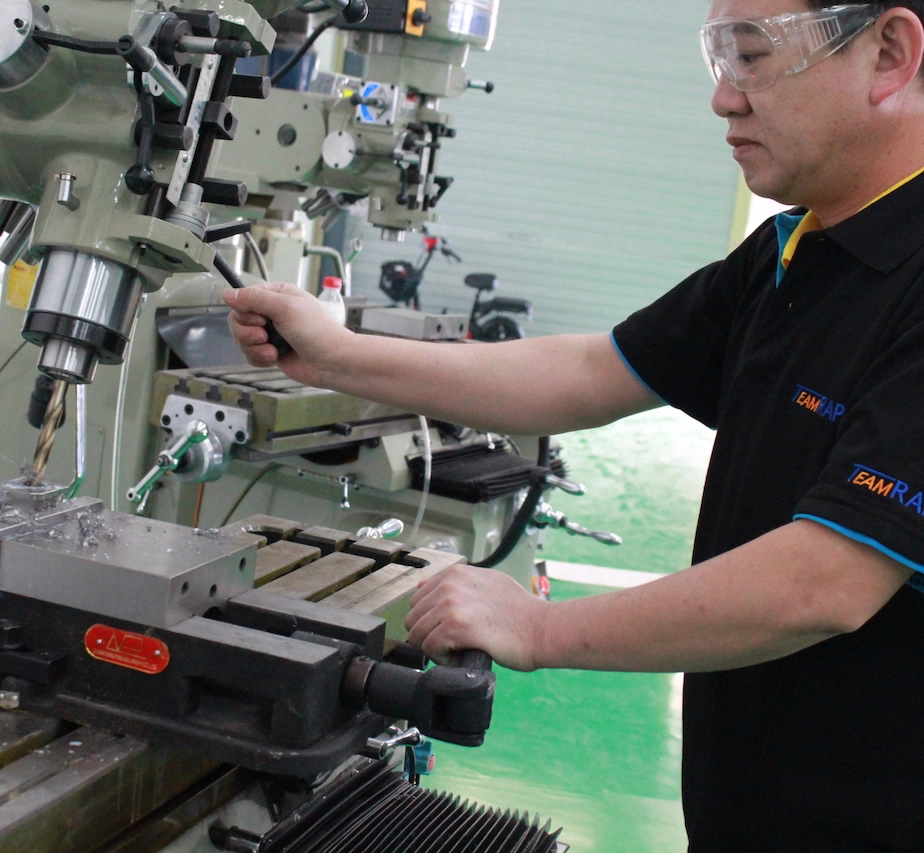
CNC Machining
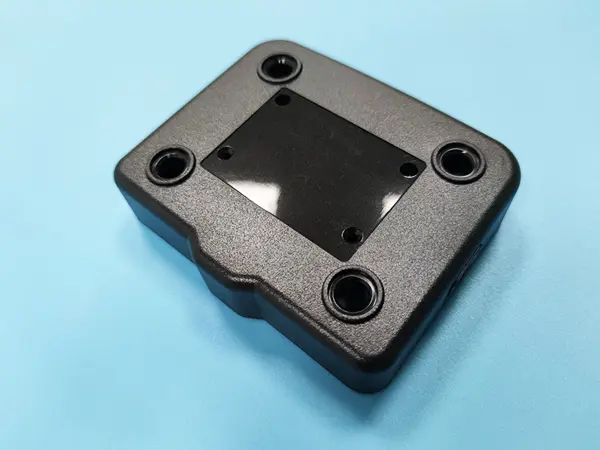
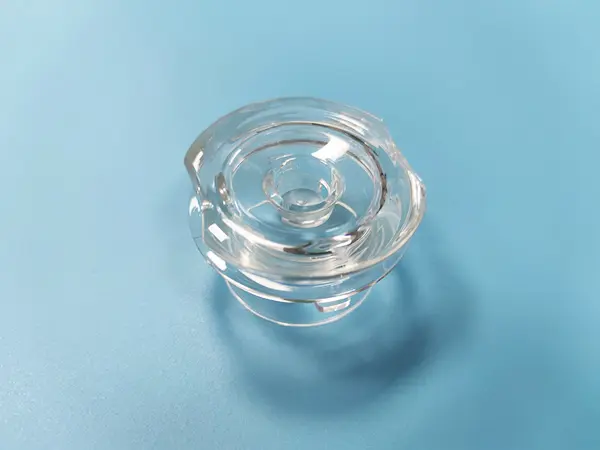
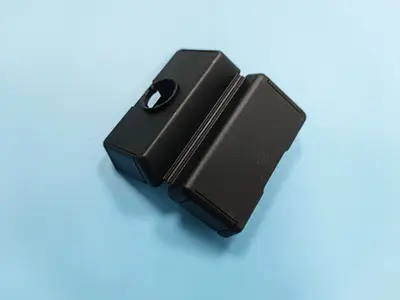
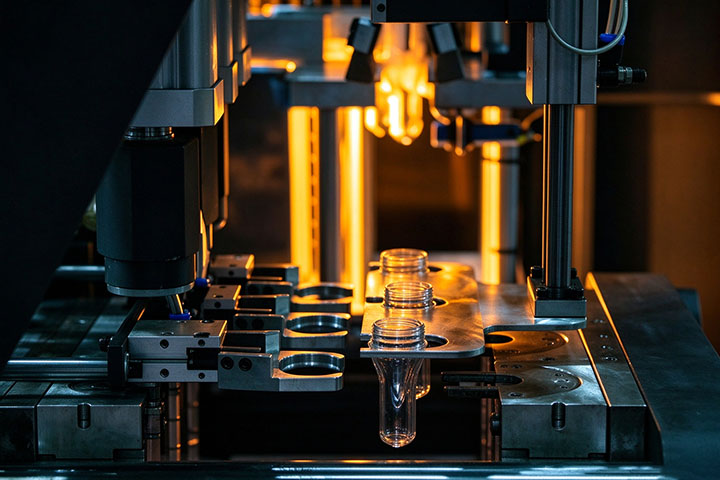
Injection Molding
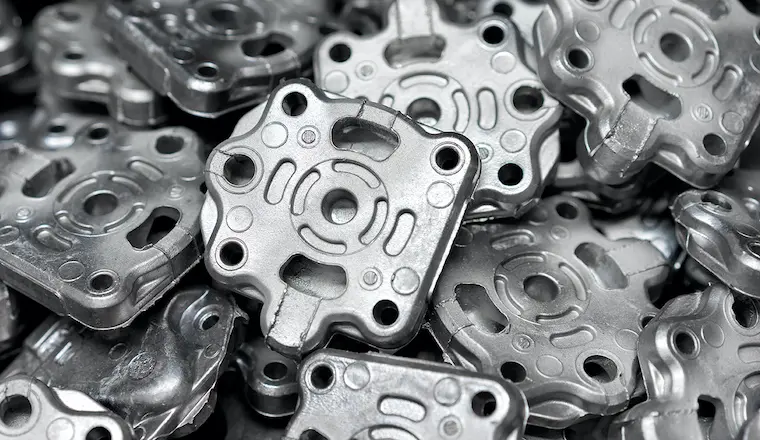
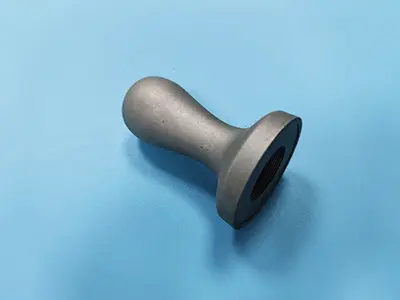
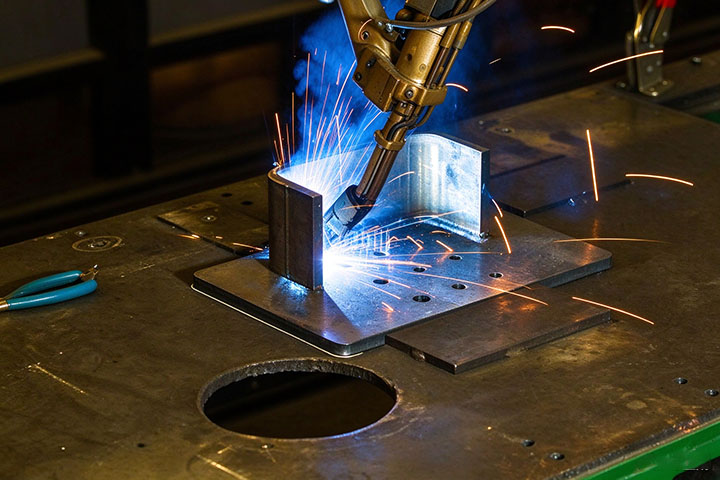
Pressure Die Casting
Benefits of Our On-Demand Manufacturing
Low-volume manufacturing / Medium-volume manufacturing / High-volume manufacturing
Produce only what's needed, when it's needed.
Lower costs – No excess inventory or warehousing needed
Less waste – Only produce what's ordered
Faster to market – Quick turnaround from order to delivery
Easy customization – Each product can be personalized
Reduced risk – No dead stock or overproduction
Scalable – Production adjusts to real-time demand
Sustainable – Fewer resources used, smaller carbon footprint
Lower barriers to entry – Great for startups and small businesses
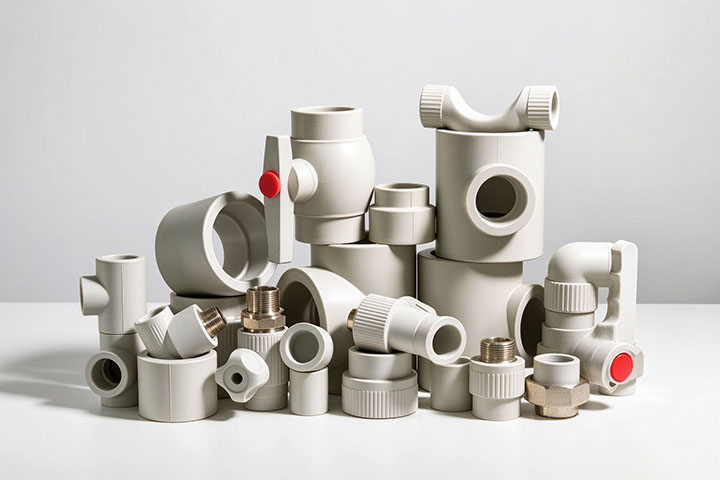
Our Manufactured Parts
Injection Molding Services
Injection Molding
CNC Machining
Injection Molding
Pressure Die Casting
Our Services
Why Choose TEAM Machining for On-Demand Manufacturing
At TEAM Machining, we specialize in high-mix, low-volume manufacturing (HMLV), providing flexible, cost-effective solutions for complex and diverse production needs. Our On-Demand Manufacturing approach ensures quality, efficiency, and on-time delivery for businesses
01
1. Flexible & Efficient Production
TEAM Machining specializes in high-mix, low-volume manufacturing, handling multiple product variants and frequent design changes with ease. Our On-Demand Manufacturing processes reduce waste, optimize resources, and ensure cost-efficient production for both prototypes and low-volume runs.
02
Expert Engineering & Quality Assurance
Our engineers provide design for manufacturability (DFM), material selection, and process optimization to ensure every part meets your specifications. Even for low-volume orders, our strict quality control guarantees reliable, repeatable, and high-quality results.
03
Fast Turnaround & Global Reach
From quick prototypes to short-run production, we deliver rapid turnaround times without compromising quality. Serving USA and Europe buyers, we provide competitive pricing, smooth communication, and on-time international shipping for your projects.
See What Our Customers Say :
The quality and detail that has been achieved has surpassed all my expectations. Absolutely amazing job guys!
Servicing Customers Worldwide
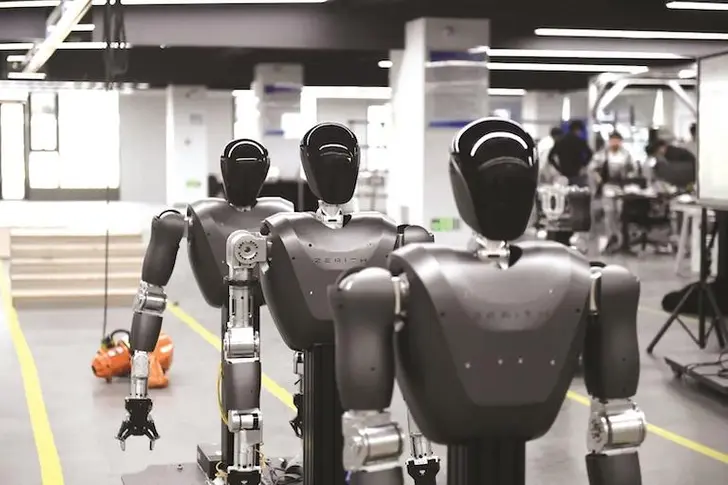
Specializing in high-mix, low-volume manufacturing, TEAM Machining serves clients across a broad spectrum of industries on a global scale. Our strengths in On-Demand Manufacturing, adaptable production processes, and rapid prototyping make us the go-to partner for companies that need precision, reliability, and value—without compromise
Quality Assurance
TEAM Machining adheres strictly to the ISO 9001 quality management system across all operations. Detailed SOPs are established prior to production, and our QC team enforces quality standards at every stage.
We guarantee 100% inspection on all products—covering dimensional accuracy, surface appearance, and assembly functionality—with full inspection reports provided upon delivery.
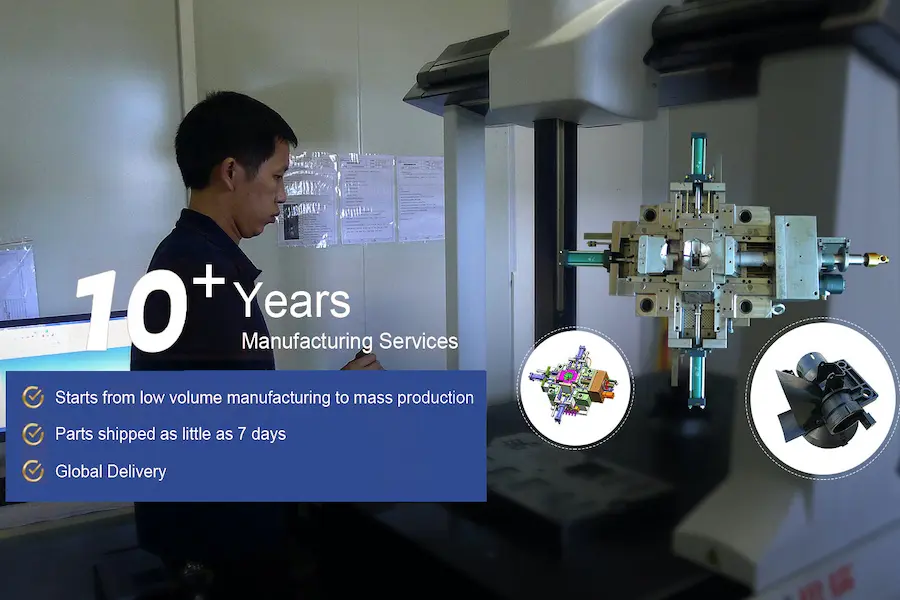
Key Inspection Equipment: CMM, Calipers, Optical Projector, Height Gauge, Shore Hardness Tester, among others.
faqs
Frequently Asked Questions
A: Generally yes, with caveats.
Advantages: no overproduction or obsolete inventory, less scrap from unsold goods, distributed production shortens shipping lanes, digital inventory (store CAD, not warehouses of spare parts).
Caveats: subtractive machining can waste 60–90% of a billet as chips; small-batch shipping is less efficient per unit than bulk freight; some 3D printing powders and resins aren’t recyclable.
If ESG reporting matters to you, ask for: material recycled content, scrap/chip recycling rates, powder refresh ratios, ISO 14001 certification, and RoHS/REACH compliance documentation.
A: On-demand manufacturing (also called manufacturing-as-a-service or cloud manufacturing) lets you order custom parts through an online platform instead of negotiating with a machine shop or committing to tooling up front.
Typical workflow:
- Upload a CAD file (STEP, IGES, STL, SLDPRT, etc.)
- Select material, process, quantity, tolerance, and finish
- Receive instant or near-instant pricing plus DFM (design-for-manufacturability) feedback
- Approve the quote → parts are routed to a qualified production partner
- Parts ship, usually with inspection reports
Key difference from traditional manufacturing: no RFQ ping-pong, no minimum tooling commitment, and capacity is elastic — you pay for parts, not for reserved factory time.
A: Frequently overlooked and can add 10–30% to landed cost.
- Incoterms: most platforms quote DAP/DDP (delivered to you) or EXW (you arrange pickup). Confirm which — EXW quotes look cheap until freight lands.
- Country of origin determines duty rate and may matter for your customers or government contracts
- HS codes — ask the supplier to provide them so your broker can classify correctly
- ITAR / export-controlled parts — must be made domestically by registered facilities; overseas manufacture is a legal violation, not just a preference
- Consolidation: ordering 5 parts in one PO usually beats 5 separate orders on freight
A:
- Relax tolerances wherever function allows — biggest single lever
- Increase quantity to amortize setup; price 1 / 10 / 50 / 100 breaks
- Avoid deep pockets — depth-to-tool-diameter ratio above 4:1 spikes cost
- Add internal radii — sharp internal corners require EDM or tiny fragile tools; use radius ≥ 1/3 pocket depth
- Reduce setups — design features on as few faces as possible (3-axis vs 5-axis)
- Standardize threads and hole sizes — avoid custom taps
- Don’t hog material — near-net-shape stock, castings, or sheet metal instead of a machined billet
- Skip cosmetic finishing on internal parts
- Choose machinable materials — 6061 aluminum and 303 stainless are far cheaper than 7075, titanium, or Inconel
- Accept longer lead time — rush premiums are pure margin